
Ahoi Ashtami 2026: Know the Correct Date, Puja Muhurat, Vrat Vidhi and Significance
❤️ Spread the Love
November 1 or November 2—when should you observe Ahoi Ashtami this year? Here is a guide to the festival’s date, evening puja timings, traditional rituals and vrat katha.
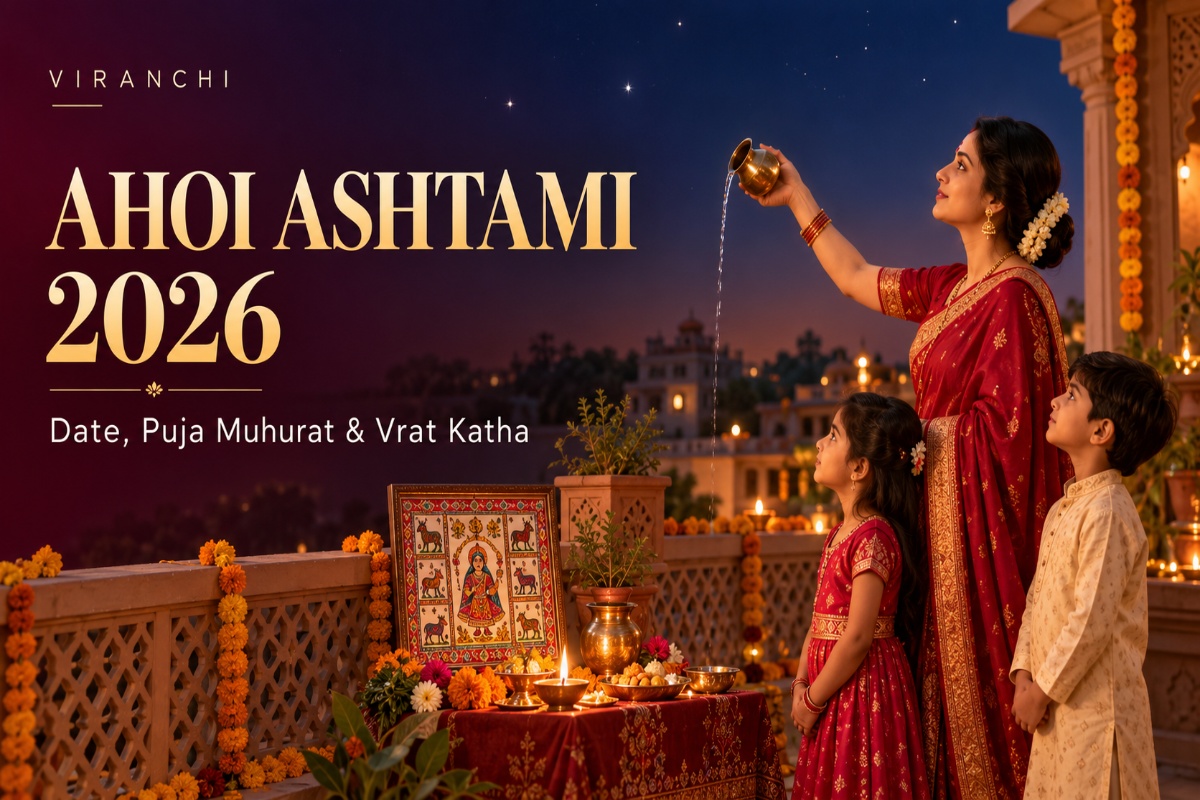
For many families, Ahoi Ashtami brings back memories of mothers gathering for the evening puja, listening to the vrat katha and waiting for the first stars to appear. At the heart of the observance is a simple prayer: may our children remain healthy, happy and protected.
In 2026, Ahoi Ashtami will be observed on Sunday, November 1. Since the Ashtami tithi extends into November 2, the two dates may confuse. Understanding the timing of the evening worship helps explain which day to observe the vrat.
When Is Ahoi Ashtami 2026: November 1 or November 2?
According to Drik Panchang, Ashtami tithi begins on November 1 at 2:51 PM and ends on November 2 at 1:10 PM.
Ahoi Mata is worshipped in the evening. This year, Ashtami will be present during the evening of November 1 but will end before the following evening. The festival calendar therefore identifies November 1, 2026, as the date for the vrat and puja.
Ahoi Ashtami 2026 Puja Muhurat and Timings
Observance | Date and Time |
|---|---|
Ahoi Ashtami vrat | Sunday, November 1, 2026 |
Ashtami tithi begins | November 1 at 2:51 PM |
Ashtami tithi ends | November 2 at 1:10 PM |
Evening puja muhurat | 5:36 PM to 6:54 PM |
Estimated time for star sighting | 6:00 PM |
Moonrise | 11:40 PM |
All timings are for New Delhi in Indian Standard Time. Puja and moonrise timings vary by location. Weather, surrounding buildings and city lights can affect the visibility of stars.
What Is the Significance of Ahoi Ashtami?
Observed during the Krishna Paksha Ashtami of Kartik in the North Indian calendar, Ahoi Ashtami is dedicated to prayers for children’s well-being. Mothers worship Ahoi Mata and seek blessings for their children’s safety, good health and long life.
Women hoping to have children also participate in the observance as an expression of faith. The festival’s rituals often bring generations together, with elders guiding the puja and narrating the traditional story.
Customs differ between households. Some families draw Ahoi Mata on a wall using geru, a red ochre pigment. Others worship a printed image or follow the tradition of worshipping a silver Syahu pendant.
Ahoi Ashtami Puja Samagri
Prepare the following items according to your family’s customs:
An image or puja calendar of Ahoi Mata
Roli and akshat, or unbroken rice grains
A water-filled kalash or karwa
Traditional food offerings
A silver Ahoi or Syahu pendant, where customary
Some households prepare eight puris, eight puas, and halwa for the occasion. The offerings and arrangement may vary by community.
How to Perform Ahoi Ashtami Puja
1. Begin With a Sankalp
After a morning bath, make a sankalp to observe the vrat and pray for your children’s well-being.
2. Prepare the Worship Area
Before evening, arrange the puja space. Draw Ahoi Mata along with Sei or Syahu—the small spiny animal associated with the legend—and its young, or use a puja calendar.
3. Perform the Evening Worship
Place the water-filled vessel near the image. Worship Ahoi Mata during the evening and offer the customary bhog.
4. Read the Katha and Perform Aarti
Read or listen to the vrat katha with family members, followed by the aarti.
5. Offer Arghya Before Parana
Offer water to the stars or the moon, according to your household tradition, before breaking the fast.
Also Read: Can Your Name Sign and Birth Sign Be Different?'
Ahoi Ashtami Vrat Katha: The Story Behind the Festival
One popular legend tells of a woman who had seven sons. Before Diwali, she went to collect soil to repair her home. While digging, she accidentally killed the young of a small spiny animal and was deeply troubled by what had happened.
The story continues that her seven sons later disappeared. Grieving, she confided in an elderly woman, who advised her to worship Ahoi Mata and sincerely repent for the harm she had caused.
On Ashtami, the woman drew an image for worship, observed the fast and prayed with devotion. According to the legend, Ahoi Mata was pleased with her sincerity, and her sons returned home.
Different communities tell different versions of this story. Its themes of compassion, accountability and sincere devotion remain central to the observance.
Also Read: Bhakoot Dosha in Kundli Matching
Frequently Asked Questions
Is Ahoi Ashtami observed only for sons?
Should the fast end after seeing the stars or the moon?
Are the puja timings the same in every city?
About the Author
Himanshu Mishra
@himanshu.mishra@paymeindia.in
View all posts →