
Navratri 2026: Can You Perform Kalash Sthapana in a Rented House or PG? Know the Religious Rules
❤️ Spread the Love
Living in a rented flat, paying guest (PG) accommodation, or a hostel and wondering whether you can perform Kalash Sthapana? Here's what you should know before beginning Maa Durga's worship.
Navratri is just around the corner, and many devotees have already started preparing to welcome Maa Durga into their homes.
But for people living away from their families, especially students and working professionals, one question often creates confusion: Is it appropriate to perform Kalash Sthapana in a rented house or PG accommodation?
Many people believe that religious rituals should only be performed in a house they own. Others worry about restrictions imposed by landlords, limited space or the difficulty of maintaining daily worship in shared accommodation.
However, Hindu religious traditions do not generally make ownership of a house a condition for worshipping Goddess Durga.
What matters is observing the ritual respectfully and choosing a form of worship that suits one's circumstances and family customs.
When Is Kalash Sthapana in Navratri 2026?
Shardiya Navratri will begin on Sunday, October 11, 2026, with the worship of Maa Shailputri, the first manifestation of Goddess Durga.
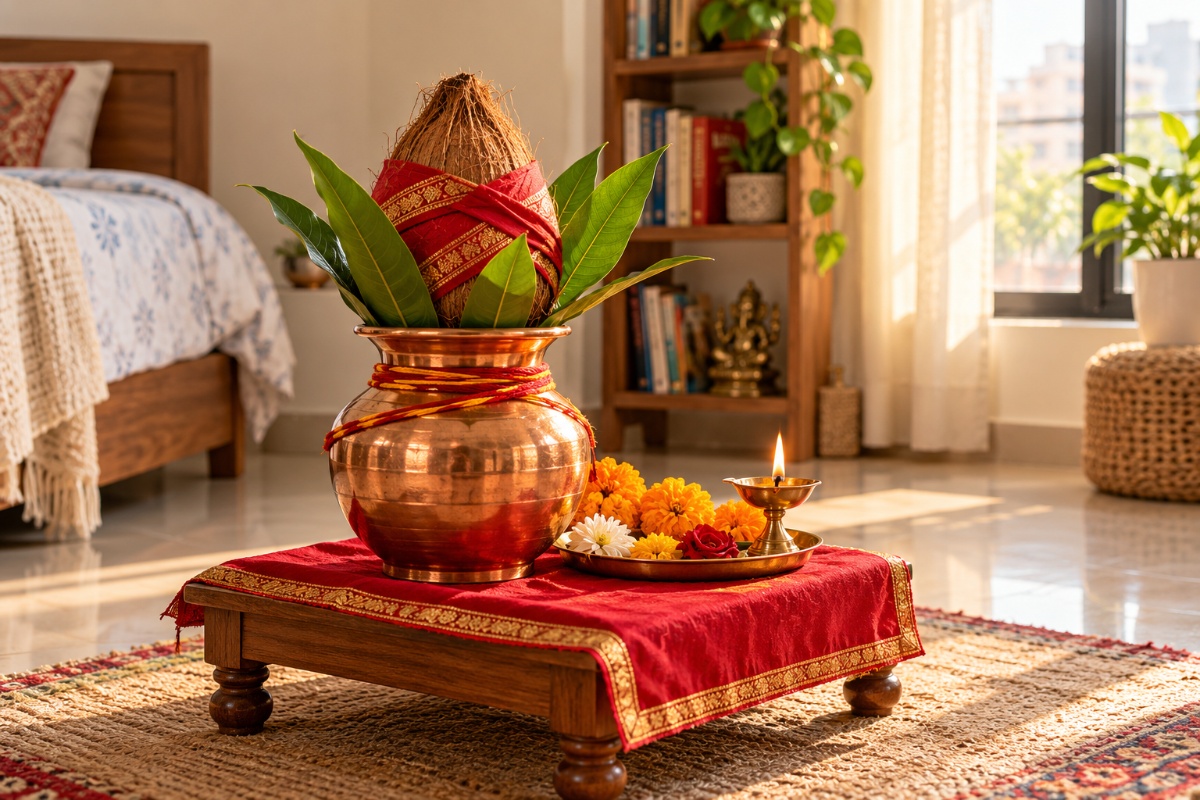
Kalash Sthapana, also known as Ghatasthapana, is performed on the first day of Navratri. It marks the ceremonial beginning of the nine-day worship of Maa Durga.
According to the Hindu religious tradition, the Kalash symbolises auspiciousness, purity and divine presence. Devotees establish it in their homes while praying for peace, prosperity and the well-being of their families.
The auspicious timing for Ghatasthapana varies according to location and the Panchang followed by the family. Devotees should therefore check the appropriate muhurat for their city before performing the ritual.
Can You Perform Kalash Sthapana in a Rented House?
Yes, devotees living in rented accommodation can generally perform Kalash Sthapana. There is no widely accepted religious rule that restricts the worship of Maa Durga to a house owned by the devotee.
A rented house may be a temporary residence, but it is still the place where a person lives, prays and carries out everyday responsibilities.
If you are staying in a rented flat with your family or living independently, you can arrange a clean and peaceful space for Navratri worship.
However, families that follow particular customs regarding Ghatasthapana should consider those traditions before beginning a formal nine-day ritual.
What About Students Living in a PG or Hostel?
The situation can be slightly different for students and working professionals living in PGs or hostels.
Unlike an independent rented house, these accommodations often have shared rooms, limited space and restrictions on incense sticks, oil lamps or other items used during religious ceremonies.
If your accommodation permits it and you can maintain the worship area properly, you may perform a simple form of Kalash Sthapana.
But if there is insufficient space or your PG has restrictions on religious arrangements, there is no need to force yourself into performing an elaborate ritual.
You can instead keep a picture of Maa Durga, offer fresh flowers and spend a few minutes in prayer each day.
Remember, Kalash Sthapana is an important Navratri tradition, but it is not the only way to express devotion to Goddess Durga.
Things to Keep in Mind Before Performing Kalash Sthapana in a PG
If you plan to establish a Kalash in your rented room or PG, a few practical precautions can make the experience easier.
1. Choose a clean and suitable place
Select a peaceful corner where the Kalash will remain undisturbed. Avoid placing it where people frequently move around or where personal belongings may accidentally fall on the worship items.
2. Consider the direction of your prayer space
In many Hindu households, the northeast corner is traditionally preferred for prayer. If this arrangement is not possible, choose another clean and suitable place according to the available space and your family's customs.
3. Avoid leaving a burning lamp unattended
Some devotees observe Akhand Jyoti during Navratri, but maintaining a continuously burning lamp requires proper supervision and fire safety.
If you live alone or remain outside for long hours, light a diya only when you are present and able to supervise it. Never leave an open flame burning in an empty room.
4. Follow the accommodation rules
If you share a room with other people, discuss your worship arrangements with them beforehand. Avoid creating inconvenience through smoke, noise or large ritual setups.
5. Take a manageable religious commitment
Traditional Ghatasthapana may involve regular worship and the care of a Kalash and sown grains throughout Navratri.
If your schedule does not allow you to maintain these arrangements, a shorter daily prayer may be more appropriate.
Is It Necessary to Perform Kalash Sthapana for All Nine Days?
Kalash Sthapana traditionally marks the beginning of a Navratri observance, with the established Kalash maintained until the concluding rituals.
However, not every devotee is required to undertake the same religious commitments. If you are unable to perform formal Ghatasthapana because of your living conditions, you can still worship Maa Durga during the festival.
Reading the Durga Chalisa, offering flowers, chanting the Goddess's name or spending a few quiet minutes in prayer are meaningful devotional practices.
Those performing a formal nine-day Kalash Sthapana should follow the customs associated with their chosen observance rather than treating it as an arrangement that can be casually discontinued.
Can You Perform Navratri Puja Without Kalash Sthapana?
Yes. Devotees who cannot establish a Kalash may still observe Navratri through simple daily worship.
You can begin the day by cleaning your prayer space, offering flowers to Maa Durga and reciting a prayer or devotional hymn. Many devotees also choose to follow a sattvic lifestyle during Navratri, practise self-discipline and avoid unnecessary arguments or harmful behaviour.
For those living away from home, such practices offer a way to remain connected with religious traditions without creating unnecessary pressure.
What If Your Landlord Does Not Allow Kalash Sthapana?
If your landlord or PG management does not permit ritual arrangements, it is best to respect the accommodation rules. You may worship Goddess Durga through a photograph or a small prayer setup that does not involve fire, smoke or changes to the property.
You can also visit a nearby Durga temple during the festival. Religious devotion does not have to become a source of conflict with the people around you.
Conculsion
Navratri is a celebration of devotion, inner strength, and the triumph of good over evil. For thousands of people living away from their hometowns, the festival also brings a longing to stay connected with family traditions.
Whether you live in your own house, a rented apartment, or a small PG room, you can find a meaningful way to worship Maa Durga.
If your living arrangements allow proper Kalash Sthapana, you may perform the ritual according to your family customs. If not, simple and sincere daily prayers remain an option.
After all, a home may be rented, but faith and devotion are not limited by ownership.
Frequently Asked Questions
Can I perform Kalash Sthapana in a rented house during Navratri 2026?
Is Kalash Sthapana allowed in a PG or hostel?
Can I celebrate Navratri without performing Kalash Sthapana?
Can working professionals perform Navratri puja if they are away from home all day?
About the Author
Himanshu Mishra
@himanshu.mishra@paymeindia.in
View all posts →