
Shradh Bhojan in Pitru Paksha 2026: Who Should Be Served First and Who Should Not Be Invited?
❤️ Spread the Love
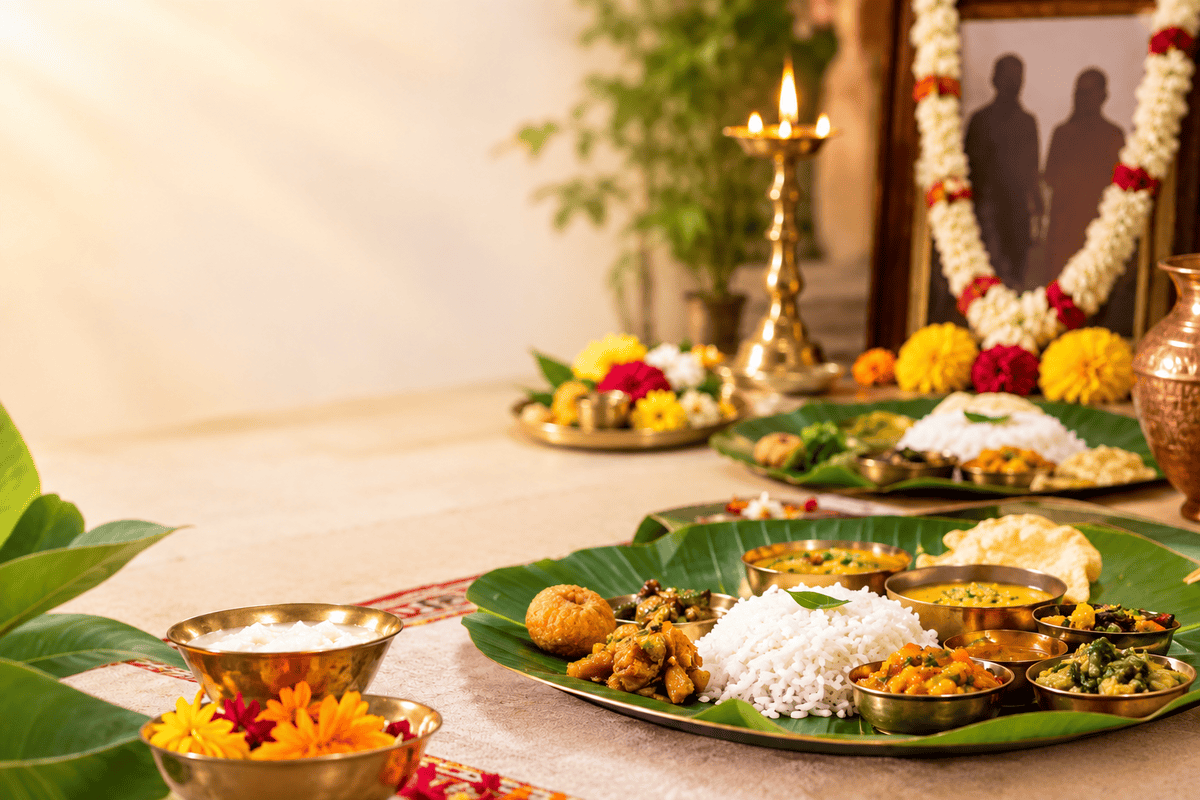
Performing Shradh is only one part of the observances associated with Pitru Paksha. Another important question arises after the ritual is completed: who should be served the Shradh meal?
This is where family customs, regional traditions, and classical religious practices often come together.
In many Hindu households, the person receiving the meal is not chosen casually. Shradh Bhojan is regarded as a sacred offering connected with remembrance of the ancestors, and therefore traditional customs place emphasis on the character, conduct, and suitability of the person being served.
In 2026, the main Pitru Paksha observances from Pratipada to Sarva Pitru Amavasya fall between September 27 and October 10. Some traditions also separately observe Purnima Shradh before Pratipada.
Here is a closer look at who may traditionally be served Shradh food, who may be avoided, and why these rules matter.
Why Does the Recipient of Shradh Food Matter?
Shradh is performed with the intention of honouring departed ancestors.
Because the meal forms part of this sacred observance, traditional practice does not treat Shradh Bhojan like an ordinary social lunch or family gathering.
The person receiving the food is expected to accept it respectfully and with a sincere state of mind.
This is why old customs often give preference to people who are considered disciplined, respectable, spiritually inclined, or deserving of hospitality.
The focus is less on status and more on patrata, or suitability.
Who Is Traditionally Invited for Shradh Bhojan?
Different families follow different customs, but certain categories of people are commonly considered suitable.
1. A knowledgeable and respectable Brahmin
In many traditional households, a Brahmin is invited after the Shradh ritual and served food with respect.
The intention is not merely to “feed someone,” but to complete the ritual through an individual regarded as a suitable recipient of the offering.
The person should ideally be respectful, disciplined, and sincere.
2. A Guru or respected spiritual teacher
A Guru occupies a highly respected position in Hindu tradition.
Where family customs permit, serving a Guru or spiritual teacher during Shradh is considered meaningful because the act combines ancestral remembrance with reverence for knowledge and dharma.
3. Maternal relatives
Some customs also give importance to relatives from the maternal side. This may include the maternal uncle and, in certain traditions, nephews or other close maternal relatives.
Such practices are not universal, so families generally follow the tradition already observed in their lineage.
4. A respected elderly person
If a family does not follow an elaborate priest-led Shradh meal tradition, an elderly and respected person may be served according to local custom.
The emphasis remains on humility and respect.
An elder who blesses the family after receiving food is traditionally regarded as an appropriate guest in many households.
5. A needy person
Feeding someone who genuinely needs food is also seen as a meaningful act during Pitru Paksha.
Many families combine Shradh with charity by offering meals, grains, clothes, or essential items to people in need.
This brings a broader dimension to Shradh: remembering those who came before us while helping someone who is living today.
What If Someone Arrives Without an Invitation?
An unexpected guest arriving on the day of Shradh is treated seriously in many traditional households.
If a deserving guest, saint, ascetic, or elderly person arrives unexpectedly, custom generally encourages the family to receive them respectfully rather than sending them away without food.
This reflects the old Indian principle of hospitality.
The idea is simple: a day dedicated to gratitude should not become a day on which genuine hospitality is denied.
Can Close Relatives Eat Shradh Food?
Yes, but the order of serving may matter according to family tradition.
In many homes, the food is first offered as part of the Shradh ritual. The designated guest or recipient is then served.
Only after this process is completed do other family members eat.
However, there is no single household rule followed everywhere in India.
Practices may differ depending on:
Family lineage
Region
Sampradaya
Local customs
Guidance of the family priest
For this reason, inherited family practice usually takes priority over general internet advice.
Who Is Traditionally Considered Unsuitable for Shradh Bhojan?
Traditional religious discussions do not only describe who should be invited. They also speak about the conduct of the person receiving sacred food.
Certain individuals were traditionally considered unsuitable if they were known for serious unethical or disrespectful behaviour.
This may include a person who habitually:
Cheats or deceives others
Steals
Intentionally harms innocent people
Shows serious disrespect towards parents
Insults teachers or the Guru
Treats sacred rituals with mockery or contempt
The underlying idea is not to judge people casually.
Rather, the rule highlights that food connected with a sacred ritual should ideally be offered to someone who will receive it respectfully.
Is Social Status the Main Criterion?
No. Traditional Shradh practice is better understood through the idea of worthiness rather than wealth.
A financially wealthy person is not automatically considered a better recipient than a poor person.
Likewise, a simple individual who lives with dignity and accepts food with gratitude may be considered more suitable than someone who treats the observance casually or disrespectfully.
This distinction is important because Shradh is based on sincerity, not display.
What Should Be Kept in Mind While Serving Shradh Food?
The meal should be served respectfully, without irritation or social pressure.
Families traditionally try to maintain a calm and sattvic environment during the observance.
The recipient should not be treated as if they are simply attending an event. The act of serving is itself considered part of the ritual.
Common practices include:
Serving freshly prepared food
Keeping the meal vegetarian and sattvic
Avoiding onion and garlic in traditional preparations
Serving with clean utensils
Avoiding arguments during the ritual
Offering food respectfully
Giving dakshina or charity according to one's capacity
Does the Shradh Meal Have to Be Elaborate?
No. Pitru Paksha is not meant to become a competition over how many dishes are prepared.
A simple meal prepared with care is more aligned with the spirit of Shradh than an extravagant feast prepared for social display. Families may prepare traditional dishes based on regional customs, but the central idea remains unchanged: purity, simplicity, and Shraddha matter more than luxury.
What Is More Important Than the Menu?
The intention behind the act.
A family may prepare an elaborate meal, but if the day is filled with anger, conflict, or showmanship, the deeper spiritual meaning can easily be lost.
Shradh encourages a person to remember three things:
Gratitude towards ancestors.
Humility towards elders and teachers.
Generosity towards guests and those in need.
Seen in this way, Shradh Bhojan becomes more than a food-related ritual.
It becomes an act of remembrance expressed through service.
Pitru Paksha 2026: What Families Should Remember
The main Pitru Paksha period in 2026 concludes with Sarva Pitru Amavasya on October 10.
Traditionally, Shradh is performed according to the lunar Tithi associated with the ancestor's passing.
Families who do not know the exact Tithi often observe Shradh on Sarva Pitru Amavasya according to their family custom.
Because Tithi timings and ritual windows may vary by location, it is advisable to verify the date through a reliable Panchang.
Final Takeaway
When it comes to Shradh Bhojan, the most important question is not simply “Who can eat this food?”
The deeper question is: “Who is being served, and with what intention?” Traditional customs give importance to a recipient who is respectful, deserving, and willing to accept the meal sincerely.
At the same time, Shradh should not become a source of fear or rigid social judgement. Its central purpose remains remembrance of ancestors, gratitude towards one's lineage, respect for elders, and generosity towards others.
Families should therefore follow their own Kul Parampara, regional tradition, and trusted religious guidance while observing Pitru Paksha.
Frequently Asked Questions
Who should be served first during Shradh?
Can a poor person be given Shradh food?
Can relatives be invited for Shradh Bhojan?
Can relatives be invited for Shradh Bhojan?
Can family members eat the food after Shradh?
Should onion and garlic be used in Shradh food?
About the Author
Himanshu Mishra
@himanshu.mishra@paymeindia.in
View all posts →